- 1. AI Sales Automation: How AI Sales Assistants Transform Modern Sales Teams
- 2. Why Sales Teams Are Turning to AI
- 3. What Is AI Sales Automation
- 4. How AI Sales Assistants Work
- 5. How Automated Sales Outreach Improves Pipeline Growth
- 6. AI Sales Tools vs Traditional CRM Systems
- 7. Where AI Sales Tools Deliver the Biggest Impact
- 8. The Future of AI in Sales
AI Sales automation

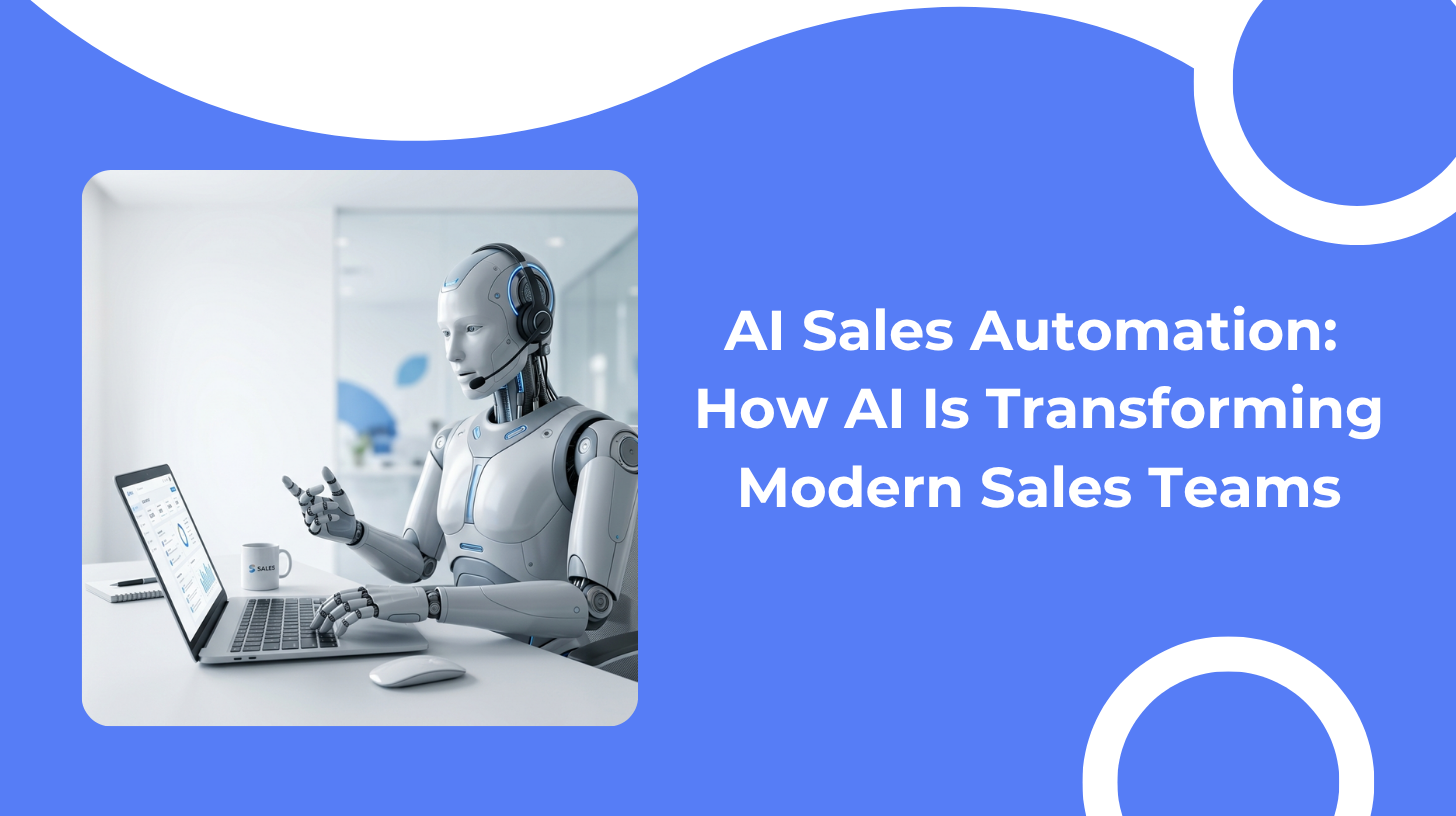

AI Sales Automation: How AI Is Transforming Modern Sales Teams
By Olena Kleiner
March 26, 2026
AI Sales Automation: How AI Sales Assistants Transform Modern Sales Teams
Learn how AI sales automation helps teams qualify leads, automate outreach, and schedule meetings faster. Discover how AI sales assistants transform modern sales workflows.
Why Sales Teams Are Turning to AI
Sales teams today face a growing challenge. Lead volumes continue to increase, but response time often slows down. Representatives spend hours qualifying leads, sending follow-up messages, and scheduling meetings.
Traditional SDR workflows rely heavily on manual effort. As pipelines grow, sales teams struggle to maintain speed and consistency.
This is where ai sales automation is changing the landscape. Instead of handling every interaction manually, companies can use AI to manage early conversations, qualify leads, and organize outreach.
A modern AI sales tool helps teams respond instantly to prospects while keeping communication structured and scalable. Rather than replacing sales professionals, AI removes repetitive work so teams can focus on meaningful conversations and closing deals.
What Is AI Sales Automation
AI sales automation refers to using artificial intelligence to automate repetitive sales activities and improve lead management.
Sales teams typically spend a large portion of their time on tasks such as responding to inquiries, qualifying prospects, and coordinating meetings. AI systems can support these activities while maintaining a consistent customer experience.
An AI sales assistant can help with:
- lead qualification
- personalized outreach messages
- follow-up reminders
- scheduling meetings with prospects
Instead of manually reviewing every new lead, companies can rely on AI systems to analyze data and prioritize the most promising opportunities.
This approach allows sales teams to handle a larger pipeline without increasing team size.
How AI Sales Assistants Work
A sales ai assistant works by analyzing lead data and interacting with potential customers through automated conversations.
Modern ai sales assistant software typically follows several steps.
First, the system evaluates incoming leads from forms, marketing campaigns, or website chats. It analyzes intent signals and identifies leads that may be ready for further conversation.
Next, the assistant initiates communication. It may ask qualification questions, provide relevant information, or guide the prospect through early stages of the buying process.
In many cases, an AI digital salesperson can handle the initial conversation entirely. Once the lead meets predefined criteria, the system automatically schedules a meeting with a human sales representative.
This process ensures that sales teams focus their time on prospects who are more likely to convert.
How Automated Sales Outreach Improves Pipeline Growth
Sales outreach is one of the most time-consuming parts of the sales process. AI technologies allow teams to automate many communication tasks while maintaining personalization.
With automated sales outreach, companies can communicate with prospects across multiple channels while maintaining consistent follow-up.
AI systems can support:
- initial contact with new leads
- follow-up messages after the first interaction
- answering basic qualification questions
- identifying high-intent prospects
- scheduling meetings automatically
This type of ai assisted sales helps companies maintain faster response times and improve lead engagement.
Instead of losing potential customers due to delayed replies, businesses can ensure that every lead receives a timely response.
AI Sales Tools vs Traditional CRM Systems
CRM platforms have long been essential for managing customer data. However, their main purpose is to store information and track deals.
Modern ai tools for sales go beyond simple data management. AI platforms actively interact with leads and support the sales workflow.
Traditional CRM systems typically focus on:
- storing contact information
- tracking deal stages
- managing sales history
AI sales platforms introduce additional capabilities. They can communicate with leads, qualify prospects, and guide them toward scheduling a meeting.
Because of these advantages, many companies are exploring the best ai tools for sales to complement their existing CRM systems.
Rather than replacing CRM platforms, AI tools often work alongside them to improve sales productivity.
Where AI Sales Tools Deliver the Biggest Impact
The value of AI in sales becomes especially clear in industries with high lead volumes and fast response expectations.
B2B SaaS companies
Software companies frequently generate large numbers of inbound leads. AI systems help prioritize those leads and ensure faster responses.
BPO and call centers
Contact centers manage thousands of conversations every day. AI technology supports ai assisted sales and marketing by automating repetitive interactions while keeping conversations structured.
Service-based businesses
Professional service providers rely on quick responses to new inquiries. AI systems help engage prospects immediately and reduce the risk of losing leads due to delayed communication.
In many situations, an ai sales person can manage early conversations and qualification steps while human sales professionals focus on more complex discussions.
The Future of AI in Sales
Sales organizations are gradually shifting toward more automated workflows. As companies handle larger volumes of leads, manual processes become harder to maintain.
AI technologies provide a scalable way to manage communication, qualification, and outreach. Instead of expanding teams to handle increasing workloads, businesses can rely on sales ai software to support their sales operations.
Over time, AI will likely become a standard component of the modern sales stack. Companies that adopt these tools early may gain a significant advantage in efficiency, response time, and pipeline growth.
9 min for reading