- 1. Why Lead Qualification Matters More Than Ever
- 2. What Lead Qualification Means in B2B Sales
- 3. Why Manual Lead Qualification Breaks Down
- 4. How AI Lead Qualification Works
- 5. What Tasks AI Can Automate in Lead Qualification
- 6. Benefits of AI Lead Qualification for Sales Teams
- 7. Why AI Lead Qualification Is Becoming a Standard
AI Industry

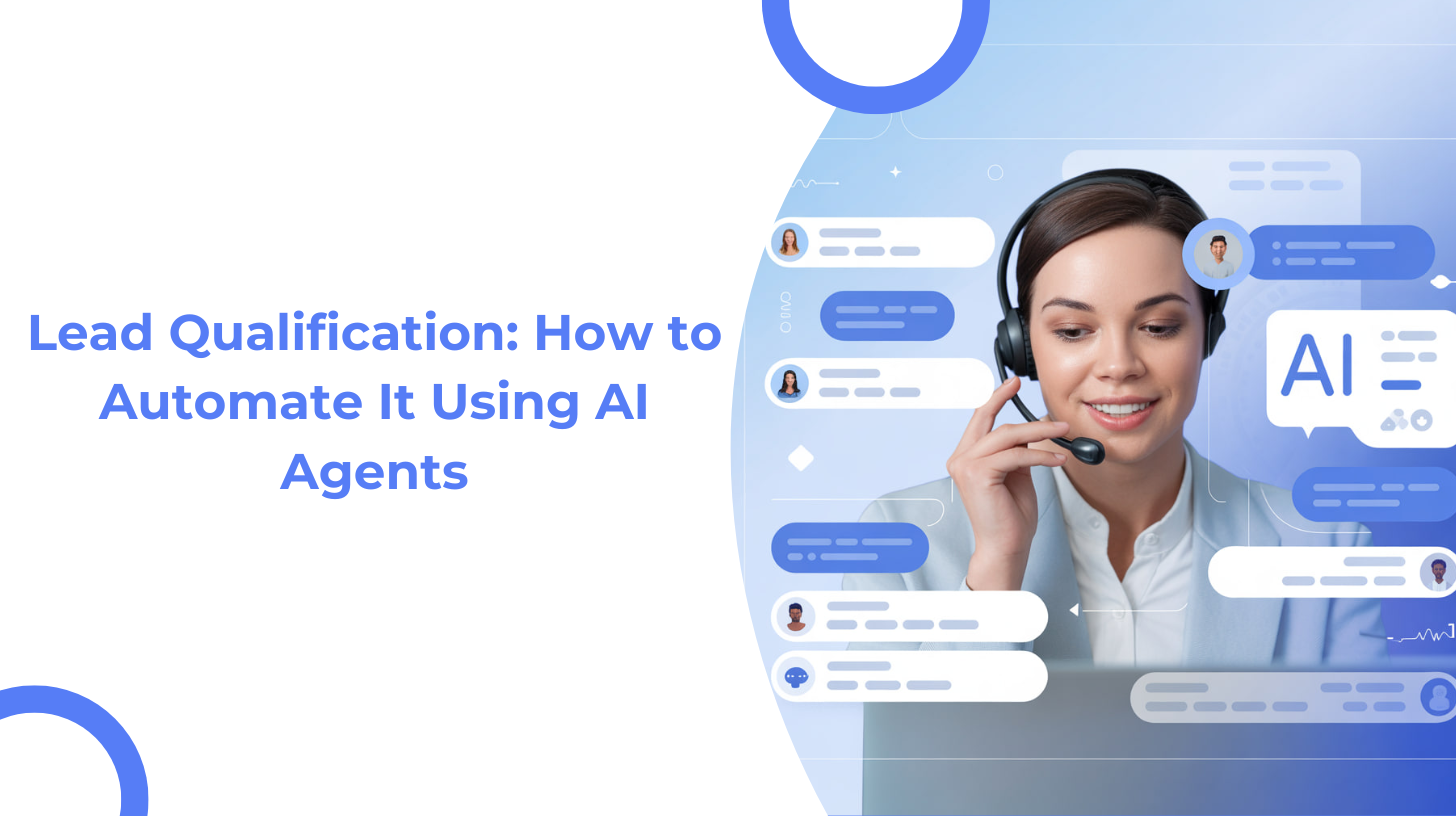

Lead Qualification: How to Automate It Using AI Agents
By Olena Kleiner
April 28, 2026
Why Lead Qualification Matters More Than Ever
Lead qualification is critical in B2B sales. It helps teams decide which inquiries need immediate attention. It also shows which leads need more time before a real conversation. As inbound volume grows, manual review becomes harder to manage. Delays in qualification and response can slow the pipeline and reduce conversion quality.
This is why more companies are adopting ai lead qualification. Instead of asking SDRs to sort every inquiry manually, teams are using ai for sales to identify fit, urgency, and intent faster. This makes qualification more consistent and helps sales teams move faster without adding more manual work.
What Lead Qualification Means in B2B Sales
Lead qualification helps teams assess whether a prospect should move further in the pipeline. In B2B sales, many inbound contacts are still far from a buying decision. Some contacts are still comparing possible solutions. Others may not have the budget, urgency, or authority needed for the next step. Without qualification, teams end up working on leads with low sales potential.
Many teams rely on BANT to organize this stage. BANT stands for budget, authority, need, and timing. These criteria help teams judge whether a lead is worth active follow-up. Today, the same logic is used in ai assisted sales, where AI agents make qualification faster and more consistent. Many companies now use sales ai software to support this step at scale.
Why Manual Lead Qualification Breaks Down
Manual qualification becomes harder as inbound volume grows. Prospects often wait too long before they receive a first response. This slows communication and weakens engagement at an early stage. Because of this, ai in sales is becoming more important for modern teams.
Common problems with manual qualification include:
- slow response to new leads
- overloaded SDR teams
- human errors during qualification
- lost opportunities after delayed follow-ups
These issues reduce sales efficiency and make results less predictable. With ai sales automation, companies can reduce routine delays, speed up qualification, and respond more consistently at scale.
How AI Lead Qualification Works
AI lead qualification begins with incoming lead data. The system reviews form submissions, traffic source, website behavior, and contact details. An ai sales agent uses these signals to detect fit, urgency, and early buying intent before a sales rep gets involved.
The next step is automated interaction. A sales ai assistant can ask qualification questions, collect missing details, and check whether the lead matches the expected customer profile. This allows teams to process inbound demand faster and with more consistency.
After that, AI can identify high-intent prospects and separate them from low-priority contacts. It can also route qualified leads to the right team based on rules such as territory, product line, or deal type. In this role, an ai sales agent handles early qualification before human contact begins.
What Tasks AI Can Automate in Lead Qualification
AI can handle the routine tasks that often slow qualification at the start of the sales process. This is where ai assisted sales becomes useful for teams working with steady inbound demand.
AI can automate:
- initial lead conversations
- asking qualification questions
- lead scoring
- segmenting prospects
- booking meetings with qualified leads
This type of automated sales outreach improves response speed by reducing the waiting time between inquiry and action. Instead of sitting in a queue, leads can be qualified, prioritized, and moved forward much faster.
Benefits of AI Lead Qualification for Sales Teams
The strongest benefit here is faster response. Teams can answer inbound leads earlier and cut delays at the top of the pipeline. This keeps qualification more consistent and lets companies respond while buyer interest is still active. That is one reason many businesses are adopting ai tools for sales.
AI also improves prioritization. Sales teams can focus on leads with clearer buying signals instead of reviewing every inquiry manually. This lowers SDR workload and lets managers focus on conversations that are closer to a purchase decision. In practice, an ai sales tool supports better pipeline quality, faster follow-up, and more time for closing deals.
Why AI Lead Qualification Is Becoming a Standard
Artificial intelligence makes lead qualification faster and easier to scale as inbound demand grows. Companies can process more leads without expanding their teams, while improving response speed and pipeline quality. This gives sales teams more time to focus on leads that are closer to a buying decision.
AI lead qualification powered by AI agents is becoming a standard part of modern sales workflows. These systems help reduce manual effort, improve consistency, and create a clearer path from first inquiry to sales action.
8 min for reading